
Top Uses of a Compact Rechargeable Flashlight in Industrial and Professional Settings
Posted by Raymond on 7th Apr 2026
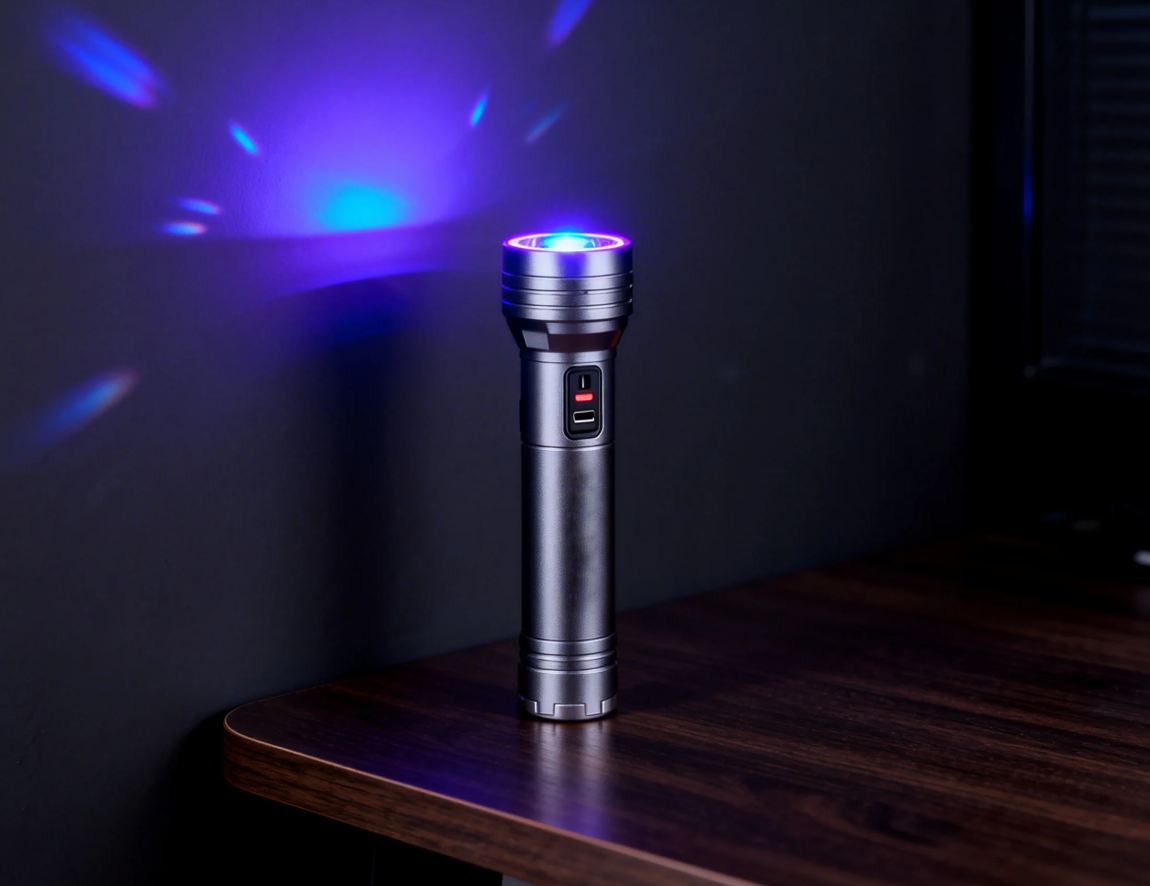
Compact rechargeable flashlights have evolved into essential tools across a wide range of industrial and professional environments. Thanks to advancements in LED technology, battery efficiency, and durable construction, these portable lighting tools now deliver powerful, reliable illumination in demanding conditions.
From inspection work to emergency maintenance, a compact rechargeable flashlight enhances productivity, improves safety, and ensures precision in low-light environments.
In this guide, we explore the top uses of compact rechargeable flashlights in industrial and professional settings and explain why they are preferred over traditional lighting tools.
Why Compact Rechargeable Flashlights Are Ideal for Professional Use
Professionals require tools that are:
- Reliable under pressure
- Easy to carry and operate
- Durable in harsh environments
- Efficient in energy consumption
Compact rechargeable flashlights meet these requirements by offering:
- Stable brightness output
- USB or Type-C charging convenience
- Long runtime with lithium batteries
- Strong and impact-resistant construction
High-quality models designed for professional use can be explored at:
https://tank007store.com/
Top Industrial and Professional Applications
1. Equipment Inspection and Maintenance
One of the most common uses is for inspecting machinery, pipelines, and mechanical systems.
Benefits:
- Focused beam for detecting cracks or defects
- Clear visibility in tight or dark spaces
- Portable enough for on-site inspections
Industries:
- Manufacturing
- Mechanical engineering
- Facility maintenance
2. Electrical and Technical Work
Electricians and technicians often work in low-light environments such as wiring panels, ceilings, and underground systems.
Advantages:
- Hands-free options (with clips or magnetic base)
- Consistent brightness for detailed work
- Compact size for confined spaces
3. Automotive Repair and Inspection
In automotive workshops, proper lighting is essential for diagnosing issues.
Applications:
- Engine inspection
- Leak detection
- Interior component repair
Compact flashlights provide precise illumination without occupying much space.
4. Construction and Job Sites
Construction environments often involve poor lighting conditions, especially indoors or during night work.
Key benefits:
- Durable body resistant to dust and impact
- Reliable performance in rough environments
- Easy portability for workers on the move
5. Security and Patrol Use
Security personnel require dependable lighting tools for monitoring and patrolling.
Advantages:
- Long beam distance for visibility
- Quick activation
- Lightweight for extended use
6. Emergency and Backup Lighting
In emergency situations such as power outages or equipment failure, reliable lighting is critical.
Use cases:
- Emergency repairs
- Evacuation guidance
- Backup lighting systems
Rechargeable flashlights ensure readiness without the need for spare batteries.
7. Warehouse and Logistics Operations
Warehouse workers often need lighting for scanning, sorting, and locating items in low-light areas.
Benefits:
- Wide beam for area illumination
- Compact size for easy handling
- Long runtime for extended shifts
8. Outdoor Professional Work
Professionals working outdoors, such as inspectors and field engineers, rely heavily on portable lighting.
Applications:
- Site inspections
- Infrastructure checks
- Field maintenance
Rechargeable flashlights provide flexibility and mobility in remote locations.
Performance Comparison: Rechargeable vs Traditional Flashlights
| Feature | Compact Rechargeable Flashlight | Disposable Battery Flashlight |
|---|---|---|
| Brightness Stability | Consistent | Gradually decreases |
| Runtime | Longer and regulated | Shorter |
| Maintenance | Low | Requires battery replacement |
| Cost Over Time | Lower | Higher |
| Environmental Impact | Reduced waste | Higher waste |
Rechargeable models clearly offer advantages for professional users who depend on consistent performance.
Key Features to Look for in Professional Flashlights
When selecting a flashlight for industrial or professional use, consider the following:
Durability
- Aluminum alloy construction
- Impact resistance
- Water resistance (IPX4–IPX7)
Brightness and Beam Control
- Adjustable brightness levels
- Focused and flood beam options
Battery and Charging
- Rechargeable lithium battery
- USB or Type-C charging
Ergonomics
- Anti-slip grip
- One-hand operation
- Compact and lightweight design
Choosing the Right Flashlight for Your Industry
| Industry | Recommended Features | Why It Matters |
|---|---|---|
| Manufacturing | High brightness, durable body | Inspection accuracy |
| Electrical Work | Compact size, stable beam | Precision tasks |
| Automotive | Focused beam, portability | Detailed repair |
| Construction | Rugged design, long runtime | Harsh environments |
| Security | Long beam distance | Visibility and safety |
Common Mistakes to Avoid
- Choosing based only on maximum lumens
- Ignoring durability and waterproof rating
- Selecting bulky or heavy models
- Buying low-quality flashlights with unstable output
Professionals should prioritize reliability and performance over price alone.
Conclusion
Compact rechargeable flashlights have become indispensable tools in industrial and professional environments. Their combination of portability, durability, and stable performance makes them ideal for a wide range of applications, from inspection work to emergency situations.
Compared to traditional disposable battery flashlights, rechargeable models provide better efficiency, lower long-term cost, and improved reliability.
For professionals who rely on consistent lighting in demanding conditions, investing in a high-quality compact rechargeable flashlight is a smart and practical decision.