
Compact Rechargeable Flashlight vs Traditional Flashlight: Key Differences Compared
Posted by Raymond on 31st Mar 2026
Flashlights have evolved significantly over the years. While traditional flashlights powered by disposable batteries are still widely used, compact rechargeable flashlights have quickly become the preferred choice for many users.
Whether you need a flashlight for everyday carry, outdoor activities, or professional use, understanding the differences between these two types will help you make a better purchasing decision.
What Is a Traditional Flashlight?
A traditional flashlight typically uses disposable batteries such as AA or AAA. These models have been widely used for decades and are commonly found in households and emergency kits.
Characteristics of traditional flashlights:
- Powered by replaceable batteries
- Simple design and operation
- Lower upfront cost
- Gradual brightness reduction as batteries drain
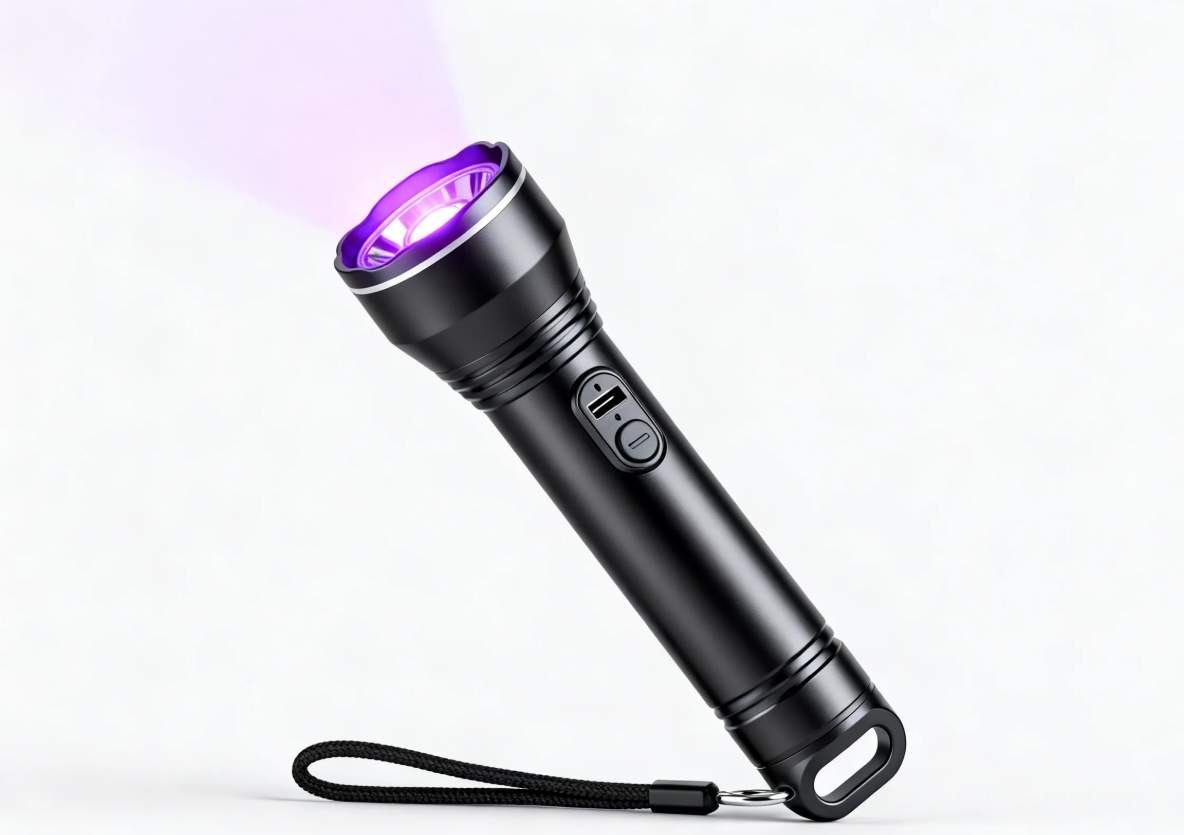
What Is a Compact Rechargeable Flashlight?
A compact rechargeable flashlight uses a built-in or replaceable lithium-ion battery that can be recharged via USB or Type-C ports.
Key features include:
- Rechargeable power source
- Stable brightness output
- Higher efficiency LED technology
- Compact and portable design
You can explore professional-grade compact rechargeable flashlights designed for reliability and performance at:
https://tank007store.com/
Key Differences Compared
1. Brightness and Performance
| Feature | Compact Rechargeable Flashlight | Traditional Flashlight |
|---|---|---|
| Brightness Stability | Consistent output | Gradual dimming |
| Maximum Lumens | Higher | Moderate |
| Beam Distance | Longer and more focused | Limited |
| Efficiency | High | Lower |
Rechargeable flashlights maintain consistent brightness, making them more reliable for extended use.
2. Battery and Power Source
| Feature | Rechargeable | Traditional |
|---|---|---|
| Power Type | Lithium-ion battery | AA/AAA batteries |
| Recharge Method | USB / Type-C | Replace batteries |
| Battery Life | Rechargeable cycles | Limited to battery life |
| Convenience | High | Moderate |
Rechargeable flashlights eliminate the need to constantly replace batteries, offering greater convenience.
3. Cost Over Time
| Cost Factor | Rechargeable Flashlight | Traditional Flashlight |
|---|---|---|
| Initial Cost | Slightly higher | Lower |
| Long-Term Cost | Lower | Higher |
| Maintenance | Minimal | Ongoing battery cost |
While traditional flashlights may be cheaper upfront, rechargeable models save money over time.
4. Environmental Impact
Rechargeable flashlights are more environmentally friendly.
| Factor | Rechargeable | Traditional |
|---|---|---|
| Battery Waste | Low | High |
| Sustainability | Better | Lower |
| Resource Use | Reduced | Higher |
Disposable batteries contribute to environmental waste, while rechargeable options reduce long-term impact.
5. Durability and Build Quality
Modern rechargeable flashlights are often designed for professional use.
| Feature | Rechargeable | Traditional |
|---|---|---|
| Material | Aluminum alloy | Plastic or basic metal |
| Water Resistance | IPX4–IPX7 | Limited |
| Impact Resistance | High | Moderate |
Rechargeable flashlights are typically more durable and suitable for demanding environments.
6. Runtime and Efficiency
| Mode | Rechargeable Flashlight | Traditional Flashlight |
|---|---|---|
| High Mode | Stable brightness | Rapid decline |
| Medium Mode | Efficient runtime | Moderate |
| Low Mode | Extended runtime | Limited |
Rechargeable models use advanced circuits to optimize runtime and performance.
Advantages of Compact Rechargeable Flashlights
- Consistent brightness
- Lower long-term cost
- Convenient charging
- Durable construction
- Better performance for professional use
Advantages of Traditional Flashlights
- Lower upfront cost
- Simple operation
- Easy battery replacement
- Suitable for occasional use
When Should You Choose Each Type?
Choose a Compact Rechargeable Flashlight If:
- You use a flashlight frequently
- You need reliable, consistent brightness
- You prefer lower long-term cost
- You want a compact and portable design
Choose a Traditional Flashlight If:
- You only use it occasionally
- You need a backup emergency tool
- You prefer not to rely on charging
Common Mistakes to Avoid
- Choosing based only on initial price
- Ignoring long-term battery costs
- Overlooking brightness stability
- Buying low-quality models without proper specifications
Understanding your usage needs is key to making the right choice.
Conclusion
Compact rechargeable flashlights offer clear advantages over traditional battery-powered models in terms of performance, efficiency, durability, and cost savings. While traditional flashlights still have their place for occasional or backup use, rechargeable models are better suited for modern, everyday, and professional applications.
With improved technology and convenience, compact rechargeable flashlights have become the preferred choice for users who demand reliable and efficient lighting.
To explore durable and high-performance rechargeable flashlights, visit:
https://tank007store.com/