
Medical Flashlight Buying Guide for Doctors: What to Look for Before You Buy
Posted by Raymond on 13th Mar 2026
A medical flashlight is one of the most essential diagnostic tools in daily clinical practice. From pupil response assessment to throat and wound examinations, doctors rely on precise, stable illumination to make accurate observations.
However, not all flashlights are suitable for medical environments. Choosing the right clinical examination light requires understanding brightness levels, beam quality, color accuracy, and durability standards.
This medical flashlight buying guide will help you evaluate the most important features before making a purchase.
Why Doctors Need a Specialized Medical Flashlight
Unlike general-purpose flashlights, medical flashlights are designed for:
-
Neurological pupil checks
-
ENT (ear, nose, throat) examinations
-
Wound inspection
-
Oral cavity evaluation
-
Emergency assessments
A medical penlight or compact diagnostic flashlight must provide controlled brightness, accurate color rendering, and safe operation in close-range patient interactions.
Key Features to Look for in a Medical Flashlight
1. Appropriate Brightness Level
Brightness in medical flashlights typically ranges between 50 and 300 lumens.
-
Too dim: insufficient visibility
-
Too bright: may cause patient discomfort
For pupil examination, moderate brightness with stable output is ideal.
2. Color Temperature & CRI (Color Rendering Index)
Color accuracy is critical in medical diagnostics.
| Feature | Recommended Specification | Why It Matters |
|---|---|---|
| Color Temperature | 4000K–5000K | Neutral white for natural tissue appearance |
| CRI | 80+ (Preferably 90+) | Accurate skin and mucosa color evaluation |
Higher CRI ensures more realistic color representation during clinical assessments.
3. Beam Pattern and Focus
Doctors generally prefer:
-
Focused beam for pupil reflex testing
-
Soft flood beam for throat or wound inspection
Some advanced medical flashlights offer adjustable beam control for flexibility.
4. Size and Portability
Medical professionals need compact tools.
Ideal specifications:
-
Penlight size (pocket-friendly)
-
Lightweight aluminum body
-
Clip attachment for lab coat or scrubs
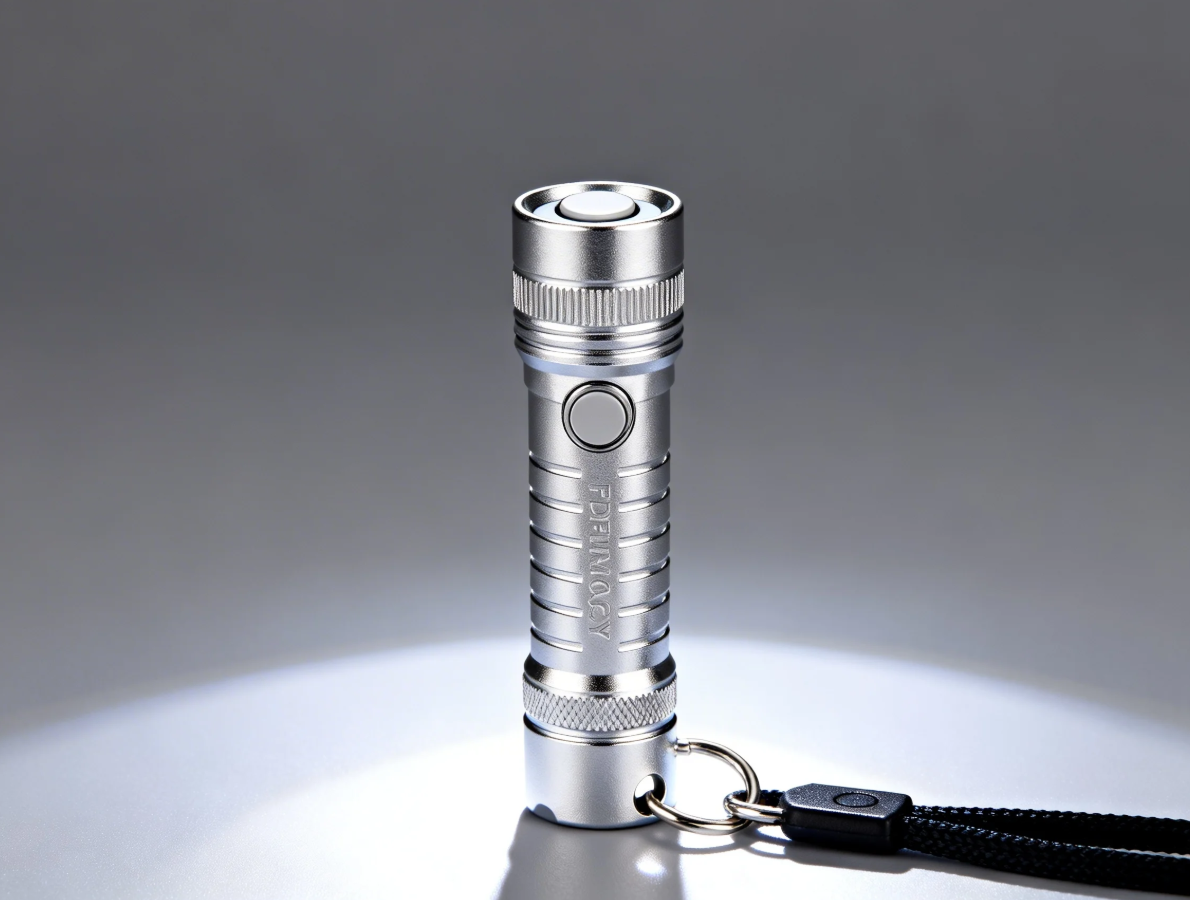
A compact rechargeable flashlight designed for professional use can be practical for hospital rounds.
5. Power Source: Rechargeable vs Disposable
| Feature | Rechargeable | Disposable Battery |
|---|---|---|
| Long-term cost | Lower | Higher |
| Convenience | USB charging | Battery replacement |
| Environmental impact | Reduced waste | More waste |
| Reliability | Stable output | Voltage drops over time |
Rechargeable medical flashlights are increasingly preferred due to cost efficiency and convenience.
Professional-grade rechargeable options are available from specialized flashlight manufacturers such as https://tank007store.com/ which offer compact and reliable models suitable for clinical environments.
6. Durability & Hygiene Considerations
In medical settings, flashlights must:
-
Withstand frequent disinfection
-
Be resistant to minor drops
-
Feature sealed construction to prevent contamination
Look for:
-
Aluminum alloy body
-
Water resistance (IPX4 or higher)
-
Smooth surface for easy cleaning
7. Safety and Compliance
While medical flashlights are non-invasive tools, ensure:
-
No harmful UV emission (unless specifically designed for dermatological use)
-
Stable light output without flickering
-
Reliable electrical protection in rechargeable models
Types of Medical Flashlights
1. Penlight (Standard Clinical Use)
-
Slim and lightweight
-
Ideal for pupil examination
-
Common in daily rounds
2. Compact Rechargeable Diagnostic Light
-
Higher brightness options
-
Longer runtime
-
Suitable for emergency departments
3. UV Medical Flashlight
-
Used for specific dermatological or inspection purposes
-
Should only be used when medically indicated
Comparison Table: Choosing the Right Medical Flashlight
| Feature | Basic Penlight | Rechargeable Clinical Light | Professional Diagnostic Light |
|---|---|---|---|
| Brightness | 50–100 lumens | 100–300 lumens | Adjustable |
| Power Source | AAA batteries | USB rechargeable | USB rechargeable |
| Beam Control | Fixed | Fixed or adjustable | Adjustable |
| Runtime | Short | Moderate | Long |
| Best For | Pupil check | General exams | Multi-department use |
Common Mistakes When Buying a Medical Flashlight
-
Choosing overly high lumens thinking brighter is better
-
Ignoring CRI rating
-
Selecting heavy, bulky models
-
Buying non-medical-grade generic flashlights
Precision matters more than raw brightness in clinical settings.
Where to Buy Reliable Medical Flashlights
When purchasing online, prioritize:
-
Clear technical specifications
-
Verified lumen output
-
Rechargeable safety features
-
Durable construction
Specialized manufacturers often provide more reliable medical-grade options compared to generic marketplace listings.
For professional flashlight solutions designed for inspection and clinical applications, you can explore options at:
https://tank007store.com/
Final Thoughts
Choosing the right medical flashlight is about balance — brightness, accuracy, portability, and reliability must all align with clinical needs.
A high-quality medical flashlight enhances diagnostic precision, improves workflow efficiency, and ensures patient comfort during examinations.
Before purchasing, evaluate technical specifications carefully and choose models designed specifically for professional healthcare environments.