
Medical Flashlight for Doctors: How to Choose the Right Clinical Examination Light
Posted by Raymond on 25th Feb 2026
A reliable medical flashlight for doctors is an essential tool in daily clinical practice. From pupil checks to ENT examinations and general patient assessments, the right examination light improves diagnostic accuracy while ensuring patient comfort and safety.
This guide helps doctors understand what makes a clinical examination flashlight truly suitable for medical use, and how to choose the best option based on specialty, workflow, and environment.
Why Doctors Need a Dedicated Medical Flashlight
Unlike standard flashlights, medical flashlights are designed for:
-
Controlled brightness levels
-
Accurate color rendering
-
Safe, short-range illumination
-
Lightweight and ergonomic handling
Using a non-medical flashlight may cause glare, inaccurate visual assessment, or patient discomfort.
Common Clinical Applications of Medical Flashlights
Medical flashlights are widely used in:
-
Eye and pupil examination
-
ENT (ear, nose, throat) checks
-
Oral cavity and throat inspection
-
Neurological response testing
-
General bedside examination
Each application requires specific light characteristics.
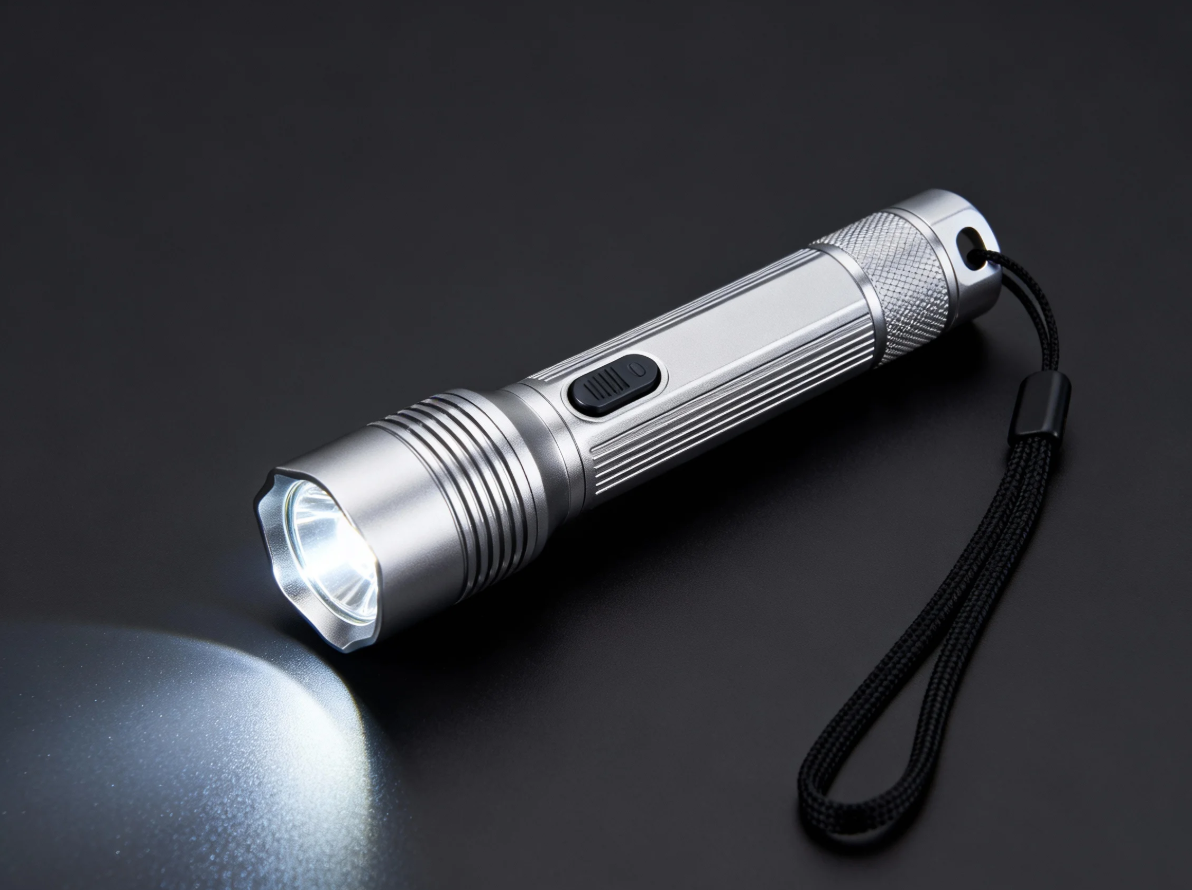
Key Features of a Medical Flashlight for Doctors
1. Brightness Level: How Much Is Enough?
Medical flashlights do not need extreme brightness.
-
Typical medical use: 50–300 lumens
-
Too much brightness may cause discomfort or inaccurate pupil response
Controlled output is more important than maximum lumens.
2. Light Type: White Light vs Specialized Light
| Light Type | Medical Use |
|---|---|
| White Light | Routine examinations |
| UV Light | Specialized diagnostic use |
| Neutral White (4000–5000K) | Accurate color observation |
For most doctors, high-quality white light is the primary requirement.
3. Beam Pattern and Focus
An ideal medical flashlight should offer:
-
Even, smooth beam
-
Minimal hotspot glare
-
Good short-range focus
Wide, soft beams improve comfort during close examinations.
4. Color Rendering Accuracy (CRI)
High CRI ensures accurate color perception of tissues and skin.
-
Recommended CRI: 80+
-
Higher CRI helps identify inflammation, discoloration, or abnormal tissue
Size, Weight, and Ergonomics
Doctors often carry flashlights in pockets or medical bags.
Key ergonomic factors:
-
Compact and lightweight design
-
One-handed operation
-
Non-slip surface
Comfort and portability directly impact daily usability.
Power Source: Rechargeable vs Battery-Powered
| Power Type | Advantages |
|---|---|
| Rechargeable | Convenient, cost-effective |
| Disposable Batteries | Easy replacement |
Rechargeable medical flashlights reduce waste and ensure consistent performance.
Safety and Hygiene Considerations
Medical flashlights should be:
-
Low heat emission
-
Flicker-free
-
Easy to clean and disinfect
Smooth aluminum or polymer surfaces help maintain hygiene standards.
Medical Flashlight Comparison Table
| Feature | Medical Flashlight | General Flashlight |
|---|---|---|
| Brightness Control | Yes | Often excessive |
| Beam Uniformity | High | Variable |
| Size & Weight | Compact | Bulkier |
| Safety Design | Medical use | General purpose |
This highlights why dedicated medical flashlights are recommended in clinical environments.
How to Choose the Right Medical Flashlight by Specialty
| Specialty | Recommended Features |
|---|---|
| General Practice | Compact white light |
| ENT | Focused beam, high CRI |
| Neurology | Stable brightness |
| Emergency Care | Durable, fast access |
Matching the flashlight to your specialty improves efficiency and accuracy.
Where to Buy a Reliable Medical Flashlight
Doctors should choose medical flashlights from manufacturers experienced in professional lighting tools, ensuring safety, reliability, and consistent quality.
You can explore medical-grade flashlights designed for clinical examination at:
https://tank007store.com/
Common Mistakes When Choosing a Medical Flashlight
-
Choosing excessive brightness
-
Ignoring beam quality
-
Using tactical or high-output flashlights
-
Overlooking ergonomics
Avoiding these mistakes leads to safer and more effective examinations.
Conclusion
Choosing the right medical flashlight for doctors is about balance—adequate brightness, accurate color rendering, comfortable handling, and patient safety.
A well-designed clinical examination flashlight supports better diagnosis, improves workflow, and enhances patient experience.