
Rechargeable UV Flashlight for Professionals: How to Choose the Right Model
Posted by Raymond on 11th May 2026
Rechargeable UV flashlights are essential tools for professionals working in inspection, leak detection, verification, and quality control. Unlike standard white-light flashlights, UV models reveal fluorescent materials and hidden defects that are invisible under normal lighting.
However, not all UV flashlights deliver the same performance. Choosing the right model requires understanding technical factors such as wavelength, output stability, battery life, and build quality.
This guide explains how to evaluate and select the best rechargeable UV flashlight for professional use.
Why Professionals Prefer Rechargeable UV Flashlights
Rechargeable UV flashlights are designed for consistent, repeatable performance in demanding environments. Compared with disposable battery models, they offer:
- Stable UV output for accurate detection
- Lower long-term operating costs
- USB or Type-C charging convenience
- Better thermal management for extended use
For reliable, professional-grade options, you can explore:
https://tank007store.com/
1. Choosing the Right Wavelength: 365nm vs 395nm
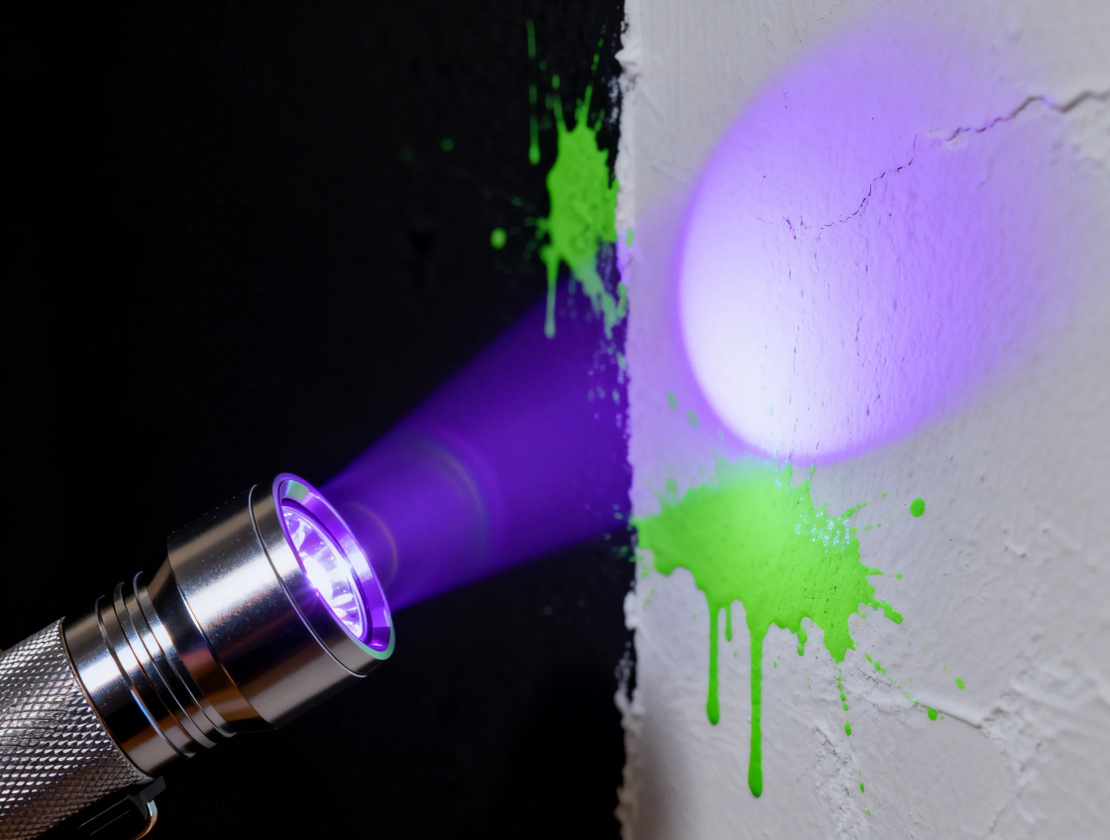
Wavelength is the most critical factor in UV flashlight selection.
Comparison Table
| Wavelength | Visibility | Detection Accuracy | Typical Use |
|---|---|---|---|
| 365nm | Nearly invisible | Very high | Professional inspection, forensic work |
| 395nm | Visible purple glow | Moderate | General-purpose detection |
Which One Should You Choose?
- Choose 365nm for high-precision tasks such as crack detection, forensic inspection, and industrial quality control
- Choose 395nm for basic applications where cost is a priority
For professionals, 365nm is strongly recommended due to its superior accuracy and reduced visible light interference.
2. UV Output and LED Quality
Unlike standard flashlights, UV effectiveness depends on LED quality rather than lumen ratings.
What to Look For
- High-quality UV LED chips
- Consistent output without flickering
- Proper optical filtering to reduce visible light
- Focused beam for enhanced detection
A high-performance UV flashlight should produce a clean, concentrated ultraviolet beam.
3. Battery Type and Runtime
Professional users need reliable power for extended work sessions.
Battery Comparison
| Feature | Rechargeable UV Flashlight | Disposable Battery Model |
|---|---|---|
| Power Source | Lithium-ion battery | AA/AAA batteries |
| Runtime | Stable and longer | Shorter and inconsistent |
| Maintenance | Low | Frequent replacement |
| Cost Over Time | Lower | Higher |
Typical Runtime Expectations
| Mode | Runtime |
|---|---|
| High Output | 2–5 hours |
| Medium/Low | 5–12+ hours |
Rechargeable models ensure uninterrupted operation, especially in professional environments.
4. Build Quality and Durability
UV flashlights used in industrial or field environments must be durable.
Recommended Features
- Aluminum alloy body
- Impact resistance
- Water resistance (IPX4–IPX7)
- Efficient heat dissipation
Durable construction ensures consistent performance and long service life.
5. Beam Design and Coverage
Beam quality directly affects usability and detection accuracy.
Beam Types
| Beam Type | Advantage | Application |
|---|---|---|
| Focused beam | High intensity and precision | Leak detection, crack inspection |
| Wide beam | Covers larger area | Surface scanning, cleaning checks |
Some professional models offer adjustable focus for versatility.
6. Portability and Ergonomics
Professionals often carry tools for long periods, so comfort matters.
Key considerations:
- Compact size for easy carrying
- Lightweight construction
- Anti-slip grip
- One-hand operation
Portable designs improve efficiency in fieldwork and inspections.
7. Safety Considerations
UV light must be used responsibly in professional settings.
Safety Tips
- Avoid direct exposure to eyes and skin
- Use protective eyewear when necessary
- Choose models with stable output and heat control
- Avoid low-quality products with unstable UV emission
Safety should always be a priority when working with ultraviolet light.
8. Common Professional Applications
Rechargeable UV flashlights are widely used across industries:
Industrial Inspection
- Detecting surface defects and cracks
- Quality assurance processes
Automotive Maintenance
- Locating fluid leaks
- Inspecting HVAC systems
Security & Verification
- Checking IDs and currency
- Authenticating documents
Cleaning & Hygiene
- Identifying biological residues
- Detecting contamination
Key Buying Checklist
Before purchasing, ensure your flashlight meets the following criteria:
| Feature | Recommended Specification |
|---|---|
| Wavelength | 365nm |
| Battery | Rechargeable lithium-ion |
| Runtime | 2–10+ hours |
| Build | Aluminum alloy, durable |
| Beam | Focused or adjustable |
Common Mistakes to Avoid
- Choosing 395nm for precision professional work
- Ignoring LED quality and UV filtering
- Overlooking battery runtime
- Buying low-cost models with weak output
- Selecting bulky or неуд convenient designs
Avoiding these mistakes will ensure better performance and reliability.
Where to Buy Reliable UV Flashlights
Professionals should choose specialized manufacturers that offer verified specifications and consistent quality.
Benefits include:
- Accurate wavelength performance
- Durable materials
- Stable output for professional use
- Long-term reliability
Explore high-performance rechargeable UV flashlights at:
https://tank007store.com/
Conclusion
Choosing the right rechargeable UV flashlight for professional use requires careful evaluation of wavelength, output quality, battery performance, and durability. For most professional applications, a 365nm rechargeable UV flashlight provides the best balance of precision, efficiency, and reliability.
By understanding these key factors, professionals can confidently select a flashlight that meets their specific inspection and detection needs.