
Are UV or White Light Medical Flashlights Safe for Patient Examination?
Posted by Raymond on 27th Feb 2026
Medical flashlights are essential tools for doctors and nurses during routine examinations. However, a common concern among healthcare professionals is whether UV medical flashlights or white light medical flashlights are safe for patient examination.
This article explains the safety considerations, clinical use cases, and best practices for both UV and white light medical flashlights, helping healthcare professionals choose the right tool while ensuring patient safety.
Why Flashlight Safety Matters in Medical Examinations
Medical flashlights are frequently used for:
-
Eye and pupil examinations
-
ENT (ear, nose, throat) inspections
-
Skin and wound assessments
-
Fluorescence-based detection
Improper light type, excessive brightness, or prolonged exposure can cause discomfort or risk to patients. Therefore, understanding flashlight safety is essential in clinical environments.
White Light Medical Flashlights: Safety Overview
What Is White Light Used for in Medicine?
White light medical flashlights are commonly used for:
-
Pupil response testing
-
Throat and oral cavity examination
-
General clinical inspections
Are White Light Medical Flashlights Safe?
Yes, white light medical flashlights are safe for patient examination when used correctly.
Key safety considerations include:
-
Moderate brightness levels
-
Short exposure duration
-
Indirect viewing for eye examinations
Modern medical flashlights are designed to deliver controlled illumination suitable for close-range clinical use.
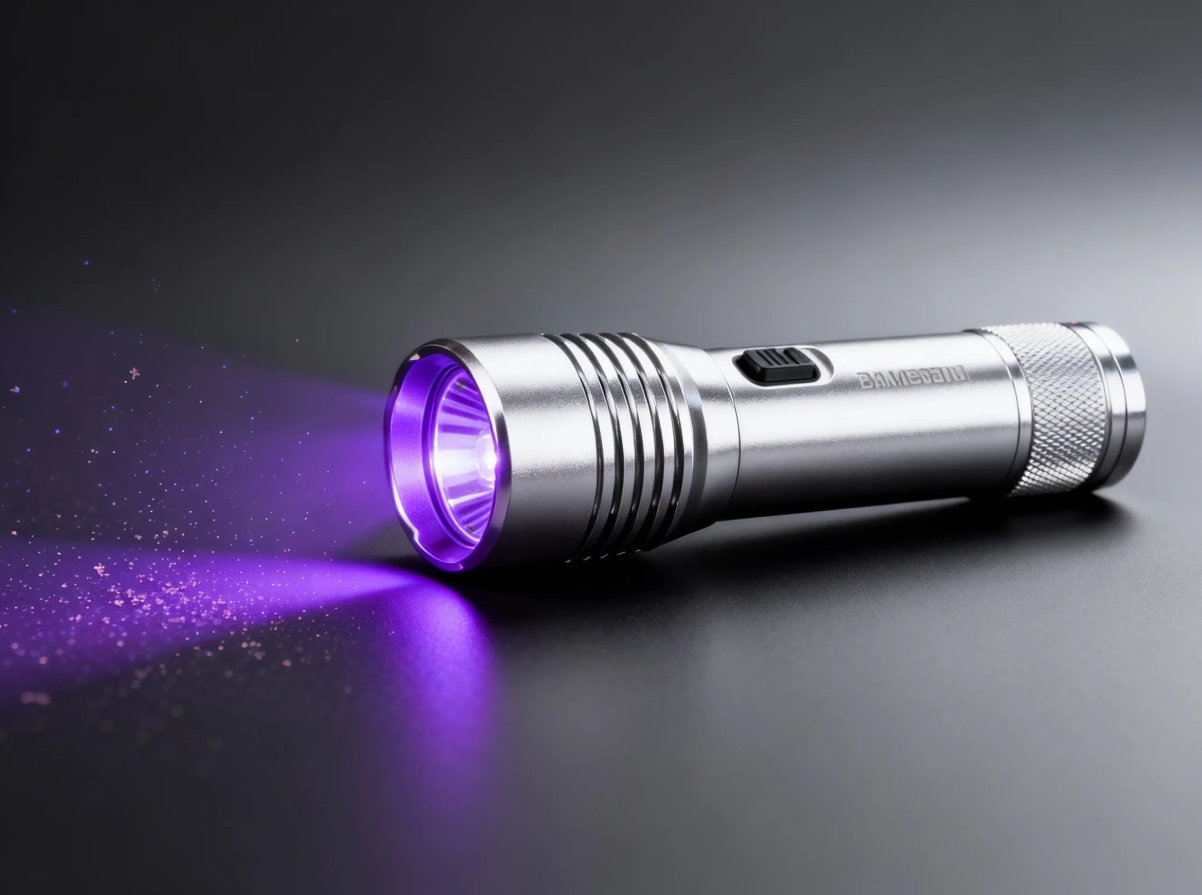
UV Medical Flashlights: Purpose and Safety Considerations
Why UV Light Is Used in Medical Settings
UV flashlights are used in limited, specialized medical applications such as:
-
Fluorescence detection
-
Dermatological examination
-
Hygiene and contamination checks
These applications rely on specific UV wavelengths, typically 365nm, to trigger fluorescence without visible light interference.
Is UV Light Safe for Patient Examination?
UV light requires greater caution than white light but can be safe when properly controlled.
Important safety points:
-
Medical UV flashlights use narrow wavelength ranges
-
Exposure time is short and targeted
-
Direct eye exposure should always be avoided
Medical-grade UV flashlights are designed for professional diagnostic use, not prolonged illumination.
UV vs White Light Medical Flashlights: Safety Comparison
| Feature | White Light Medical Flashlight | UV Medical Flashlight |
|---|---|---|
| Typical Use | General examination | Specialized diagnostics |
| Eye Safety | Safe with normal use | Requires controlled use |
| Exposure Duration | Short, routine | Very short, targeted |
| Risk Level | Low | Moderate if misused |
| Professional Training | Basic | Recommended |
White light flashlights are suitable for routine exams, while UV flashlights should be used only for specific diagnostic purposes.
Recommended Safety Standards for Medical Flashlights
To ensure patient safety, medical flashlights should meet:
-
Controlled brightness output
-
Stable beam without flicker
-
Reliable thermal management
-
Certified electrical safety standards
Healthcare professionals should always select medical flashlights from reputable manufacturers with experience in professional lighting tools.
You can explore medical and inspection-grade flashlights designed with safety and reliability in mind at:
https://tank007store.com/
Best Practices for Safe Patient Examination
Using White Light Medical Flashlights
-
Avoid shining directly into eyes for extended periods
-
Use the lowest effective brightness
-
Maintain appropriate distance
Using UV Medical Flashlights
-
Never aim UV light directly at eyes
-
Limit exposure time
-
Use only when clinically justified
-
Follow institutional safety protocols
Proper training and awareness significantly reduce any potential risks.
Common Misconceptions About UV Medical Flashlights
-
“All UV light is dangerous” – Not true; controlled wavelengths and short exposure can be safe
-
“Brighter is better” – Excessive brightness may cause discomfort
-
“UV flashlights are for general exams” – UV light is for specific diagnostic purposes only
Understanding these distinctions improves both safety and diagnostic accuracy.
Choosing the Right Medical Flashlight
When selecting a flashlight for medical use, consider:
| Criteria | Recommendation |
|---|---|
| Light Type | White light for routine exams |
| UV Wavelength | 365nm for diagnostic use |
| Brightness | Moderate, controlled output |
| Build Quality | Lightweight, durable housing |
| Reliability | Professional-grade manufacturer |
Reliable medical flashlights support safe and effective patient care.
Conclusion
So, are UV or white light medical flashlights safe for patient examination?
-
White light medical flashlights are safe and suitable for routine clinical use
-
UV medical flashlights are safe when used correctly for specific diagnostic purposes
By choosing the right flashlight type and following best practices, healthcare professionals can ensure both patient safety and accurate examinations.